

Key Takeaways
The 'Processed' Label Is Doing Too Much Work
Ask most people whether processed food is bad for you, and the answer feels obvious. But when researchers and dietitians use the word "processed," they're describing a wide range of things - from pasteurized milk and rolled oats to cheese puffs engineered with flavor enhancers. Treating these as a single category causes real confusion.
The NOVA classification system, developed by researchers at the University of São Paulo, is one widely used framework for sorting foods by degree of processing. It separates minimally processed foods (like frozen spinach or plain yogurt) from ultra-processed foods - industrial formulations typically containing additives, emulsifiers, colorings, and flavor compounds not found in a home kitchen. The distinction matters because the health research tracks very differently across these categories.
For a broader look at how popular food rules often outpace the evidence, see Common Beliefs About Healthy Eating That Nutrition Science Doesn't Support.
Myth
If it comes in a package, it's processed and therefore unhealthy.
Fact
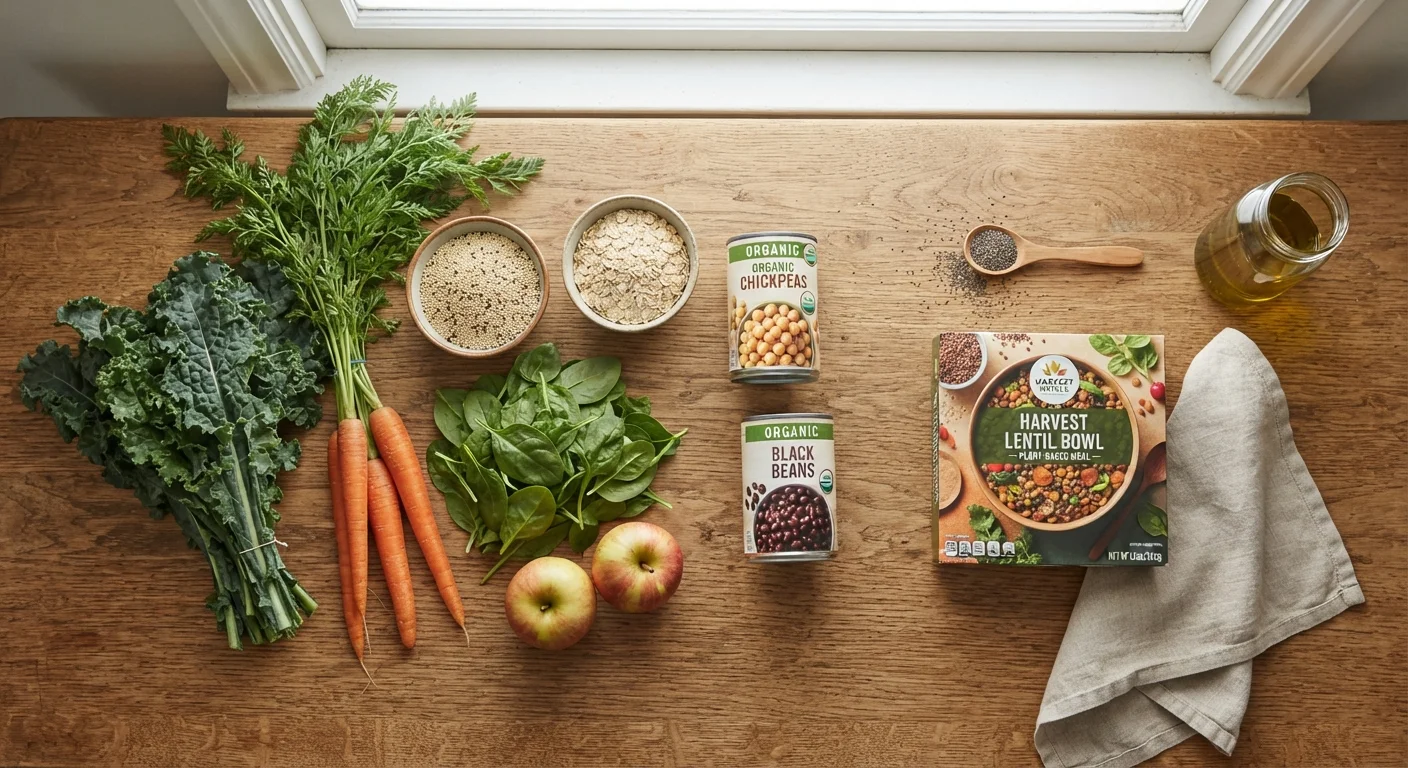
Packaging has no bearing on nutritional quality. Many packaged foods - plain oats, canned beans, frozen vegetables - are minimally processed and nutritionally sound.
The health concern with processed foods centers on ultra-processed products: those formulated with multiple additives to alter taste, texture, or shelf life. A bag of frozen edamame and a bag of cheese-flavored snacks are both "packaged," but they bear almost no nutritional resemblance to each other. Using processing as a shorthand for unhealthy causes shoppers to avoid affordable, nutrient-dense staples without good reason.
Myth
Whole foods are always the most nutritious option, no matter what.
Fact
Whole foods are generally a strong nutritional foundation, but minimal processing can sometimes preserve or enhance nutrient availability.
Freezing vegetables within hours of harvest preserves vitamins that can degrade during refrigerated shipping and storage. Cooked and canned tomatoes have higher bioavailable lycopene than raw tomatoes. Fermented foods like yogurt and kimchi offer beneficial compounds that don't exist in their unprocessed precursors. The relationship between processing and nutrition is more nuanced than a simple raw-is-best rule.
Myth
"Natural" or "clean" labels mean a product is minimally processed.
Fact
Terms like "natural," "clean," and "wholesome" on food packaging are marketing language with no standardized regulatory definition in the United States.
The U.S. Food and Drug Administration (FDA) has a limited informal policy on "natural" but has not established a formal definition that governs all uses of the term. "Clean eating" has no regulatory meaning whatsoever. A product can be heavily processed and still carry these labels. Ingredient lists - not front-of-package claims - give the clearest picture of what's actually in a food.
Myth
Eating a whole-foods diet means avoiding all convenience foods.
Fact
Many convenient, time-saving foods fit well within a whole-foods approach, and sustainable healthy eating usually requires some flexibility.
Rigid all-or-nothing rules around food processing can increase the mental burden of eating and make healthy habits harder to maintain over time. Plain canned fish, pre-washed salad greens, frozen fruit for smoothies, and no-added-sugar nut butters are all examples of convenient options that support rather than undermine a whole-foods dietary pattern. Sustainability matters: an imperfect diet you can maintain consistently will generally serve you better than a perfect one you can't.
Myth
Ultra-processed foods are only a problem because they're high in calories.
Fact
Research suggests ultra-processed foods may affect health through multiple pathways beyond calorie density alone.
Some studies have found health associations with ultra-processed food consumption even after controlling for total caloric intake, saturated fat, and sodium. Researchers are investigating additional factors - including effects on gut microbiome diversity, appetite-regulating hormones, and the role of specific additives - though this area of science is still developing. What is clear is that calories alone don't fully explain the pattern, making ingredient quality a separate, meaningful consideration.
What the Evidence Actually Shows
Large observational studies - including a pooled analysis drawing on data from multiple European cohorts - have consistently linked high ultra-processed food consumption to elevated risks of cardiovascular disease, type 2 diabetes, and certain cancers. Importantly, the association holds even after adjusting for overall calorie intake, suggesting something beyond simple overeating is at play. Possible mechanisms include high sodium and added sugar loads, low fiber content, and the effects of certain additives on gut microbiota.
By contrast, minimally processed foods - oats, canned tomatoes, frozen peas, plain nut butters - show no such pattern. Many of these foods preserve or even concentrate nutrients: freezing vegetables shortly after harvest can lock in vitamins that degrade during days of refrigerated transport.
57%
Share of U.S. adult calories from ultra-processed foods
A study published in BMJ Open estimated that ultra-processed foods accounted for approximately 57% of total energy intake among U.S. adults, based on National Health and Nutrition Examination Survey data.
10-15%
Higher all-cause mortality risk in high ultra-processed consumers
A large prospective cohort study published in JAMA Internal Medicine found a roughly 14% higher all-cause mortality risk associated with the highest ultra-processed food intake compared to the lowest.
This is why blanket "no processed food" rules can backfire. Eliminating affordable, convenient minimally processed staples from the diet in pursuit of an idealized whole-foods standard often creates unnecessary restriction. Why Restricting Entire Food Groups Often Backfires explains what happens physiologically when dietary rules become too rigid.
Building a Practical Whole-Foods Approach
A realistic whole-foods diet isn't about achieving purity - it's about shifting the balance of your eating pattern toward foods that are closer to their original form most of the time. Dietary patterns like the Mediterranean diet, which emphasize vegetables, legumes, whole grains, and healthy fats, consistently show strong health outcomes without demanding the elimination of every packaged item. For a deeper comparison of evidence-based eating patterns, see Dietary Patterns Compared: Mediterranean, Low-Carb, Plant-Based, and More.
On a practical level, the ingredient list is your most reliable guide. A can of chickpeas with one ingredient - chickpeas - is minimally processed regardless of its packaging. A product with a long list of additives, even one marketed as "natural" or "clean," warrants more scrutiny. Front-of-package claims like "wholesome" or "made with real ingredients" are marketing language, not regulated nutritional standards.
It's also worth noting that dietary fat plays an important role in the whole-foods conversation. Foods like avocados, nuts, and olive oil are whole or minimally processed, rich in beneficial fats, and sometimes avoided based on outdated low-fat thinking. Why Dietary Fat Isn't the Enemy Your Diet Culture Taught You It Was offers a clear-eyed review of what the science actually supports.
This article is for general informational and educational purposes only and does not constitute medical or dietary advice. Consult a qualified healthcare professional or registered dietitian for guidance tailored to your individual health needs.