

Key Takeaways
Our Verdict
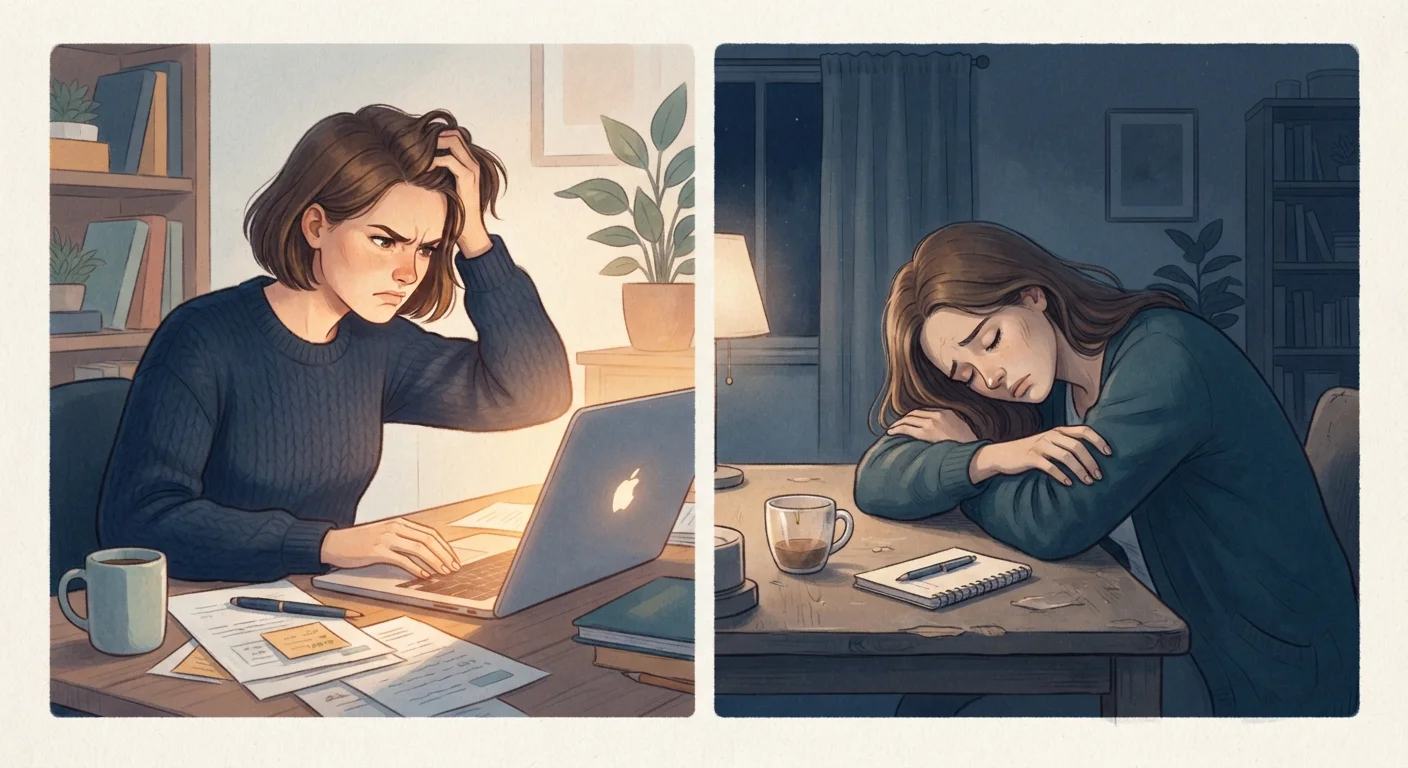
Acute stress and chronic stress may feel similar in the moment, but their effects on health diverge significantly over time. Acute stress can actually sharpen performance and resolve quickly with little lasting impact, while chronic stress demands more deliberate, sustained management strategies. Recognizing which you're dealing with helps you respond appropriately rather than applying a one-size-fits-all approach.
| Best for | Recommended |
|---|---|
| Those experiencing short-term, identifiable stressors | Acute stress coping strategies (breathing techniques, brief mindfulness, movement) |
| Those facing ongoing, multi-month stressors with physical or emotional symptoms | Chronic stress management (therapy, lifestyle restructuring, medical evaluation) |
| Those unsure whether their stress is situational or systemic | Consultation with a qualified healthcare or mental health professional |
Two Kinds of Stress, Two Very Different Stories
Most of us use the word "stress" as a catch-all for any feeling of pressure or overwhelm. But from a physiological standpoint, a deadline crunch and a year of financial hardship are not the same thing - and treating them as equivalent can leave us responding to the wrong problem in the wrong way.
Stress researchers broadly distinguish between acute stress - a short-term response to an immediate challenge - and chronic stress, which persists over extended periods without adequate relief. Understanding this distinction isn't just academic. It shapes which coping strategies are actually helpful, and when it might be time to seek professional support.
It's also worth noting that stress and anxiety, while related, are distinct experiences. Our colleagues explore those nuances in depth here: Stress vs. Anxiety: Two Experiences That Feel Alike but Work Differently.
Acute Stress: The Body's Built-In Alert System
Acute stress is the nervous system doing exactly what it evolved to do. When you narrowly avoid a car accident, prepare for a public presentation, or face a sudden conflict, your hypothalamic-pituitary-adrenal (HPA) axis - a key hormonal communication network - activates rapidly. Cortisol and adrenaline surge, heart rate climbs, muscles tense, and attention sharpens.
This is the classic fight-or-flight response, and in appropriate doses it is genuinely useful. Research suggests that moderate, short-duration stress can enhance focus, boost immune function temporarily, and even motivate learning. Once the stressor resolves, the body is designed to return to baseline - a process called allostasis.
Common examples of acute stress include:
- Job interviews or high-stakes meetings
- Sudden bad news or an unexpected argument
- Physical challenges like injury or illness onset
- Time-limited caregiving demands
The key feature of acute stress is its finite duration. The body recovers, and - with healthy coping - few lasting effects accumulate. For a closer look at what's happening physically during these episodes, see The Stress Response: What's Actually Happening Inside Your Body.
Chronic Stress: When the Alert Never Turns Off
Chronic stress occurs when the stress response stays elevated - or repeatedly re-activates - without sufficient recovery time. This might stem from ongoing financial insecurity, a difficult relationship, a demanding job with no relief, caregiving responsibilities, or systemic hardship. The stressor doesn't have to feel dramatic; low-grade, persistent pressure is often more insidious than acute crises.
Over time, sustained cortisol elevation affects multiple body systems. Research published in journals such as Psychoneuroendocrinology and Psychological Science has linked chronic stress to:
- Cardiovascular effects: elevated blood pressure and increased inflammation markers
- Immune suppression: slower wound healing and greater susceptibility to illness
- Mental health: heightened risk for depression and anxiety disorders
- Sleep disruption: difficulty falling or staying asleep, which in turn worsens stress tolerance
- Cognitive effects: impaired memory consolidation and reduced executive function
Sleep and stress share a particularly tight feedback loop - chronic stress frequently contributes to insomnia. If you're noticing this pattern, Short-Term vs. Chronic Insomnia: What Changes Between Them may offer helpful context.
| Acute Stress | Chronic Stress | |
|---|---|---|
| Duration | Minutes to days | Weeks, months, or longer |
| Trigger | Specific, identifiable event | Ongoing, often multi-source pressure |
| Cortisol pattern | Spikes then resolves | Remains elevated or repeatedly surges |
| Physical health impact | Minimal with recovery | Cardiovascular, immune, metabolic strain |
| Mental health impact | Temporary anxiety or irritability | Increased depression and anxiety risk |
| Primary response strategy | Breathing, movement, brief mindfulness | Therapy, lifestyle change, professional support |
| Recovery potential | Full recovery typical | Requires sustained, intentional intervention |
Responding Effectively to Each Type
Because acute and chronic stress operate on different timescales, effective responses differ too.
For acute stress, short-duration interventions tend to work well. Diaphragmatic breathing can reduce physiological arousal within minutes. Brief mindfulness check-ins - even five slow, deliberate breaths - activate the parasympathetic nervous system and help restore calm. Moderate physical movement accelerates cortisol clearance. These strategies help the body complete its stress response and return to baseline more quickly.
For chronic stress, the same tools remain useful but are insufficient on their own. Sustainable change typically requires addressing the underlying sources of stress where possible, restructuring daily habits (sleep, movement, social connection), and often professional support such as cognitive behavioral therapy (CBT) or counseling. Mindfulness-based stress reduction (MBSR) programs have accumulated a meaningful evidence base for chronic stress management. For foundational techniques, our Stress Management hub offers practical, evidence-grounded guidance.
Practices that support rest and recovery - including quality sleep and intentional downtime - are especially important for chronic stress. The Mindfulness & Rest hub covers how these restorative practices build longer-term resilience.
This article is for general informational and educational purposes only and does not constitute medical or mental health advice. If you are experiencing persistent or severe stress, or if it is affecting your daily life and health, please consult a qualified healthcare or mental health professional.