

Key Takeaways
Vitamin C's Real Range of Responsibilities
Vitamin C - chemically known as ascorbic acid - earned its fame as an immune nutrient, but its biological résumé extends well beyond fighting colds. It is one of the most versatile water-soluble vitamins in human physiology, participating in processes that affect skin integrity, oxygen transport, and cellular protection every day.
Understanding what vitamin C actually does helps you make smarter choices about where to get it - and why relying on supplements alone misses the broader picture. For a broader look at nutrients tied to immune function, our key nutrients linked to immune function reference covers the full landscape.
Vitamin C Is Not a Cold Cure
Despite widespread belief, research does not support the idea that high-dose vitamin C supplements prevent or cure the common cold in the general population. Consistent, adequate intake through food may offer modest benefits, but supplementing beyond recommended levels has not been shown to provide additional protection. Always consult a healthcare professional before starting any supplement regimen.
Separating Myth from Fact
Several deeply held beliefs about vitamin C don't hold up well against the available evidence. The following myth-and-fact pairs address the most common misconceptions - from cold prevention to food sources to how the body handles excess intake.
Myth
Taking large doses of vitamin C will prevent you from getting a cold.
Fact
Evidence does not support megadosing as a cold prevention strategy for most healthy adults, though regular adequate intake may modestly reduce cold duration.
This is one of the most persistent myths in nutrition. Research reviews, including analyses of multiple controlled trials, consistently show that high-dose vitamin C supplementation does not significantly reduce cold incidence in the general population. Some evidence suggests that people under heavy physical stress - such as marathon runners or military recruits - may experience a modest reduction in cold frequency with regular supplementation. For everyone else, getting sufficient vitamin C through food is the practical, evidence-supported approach. Learn more about what the evidence actually shows in our overview of popular immune-boosting claims.
Myth
Oranges are the best source of vitamin C you can eat.
Fact
Many vegetables - including red bell peppers and broccoli - contain substantially more vitamin C per serving than a medium orange.
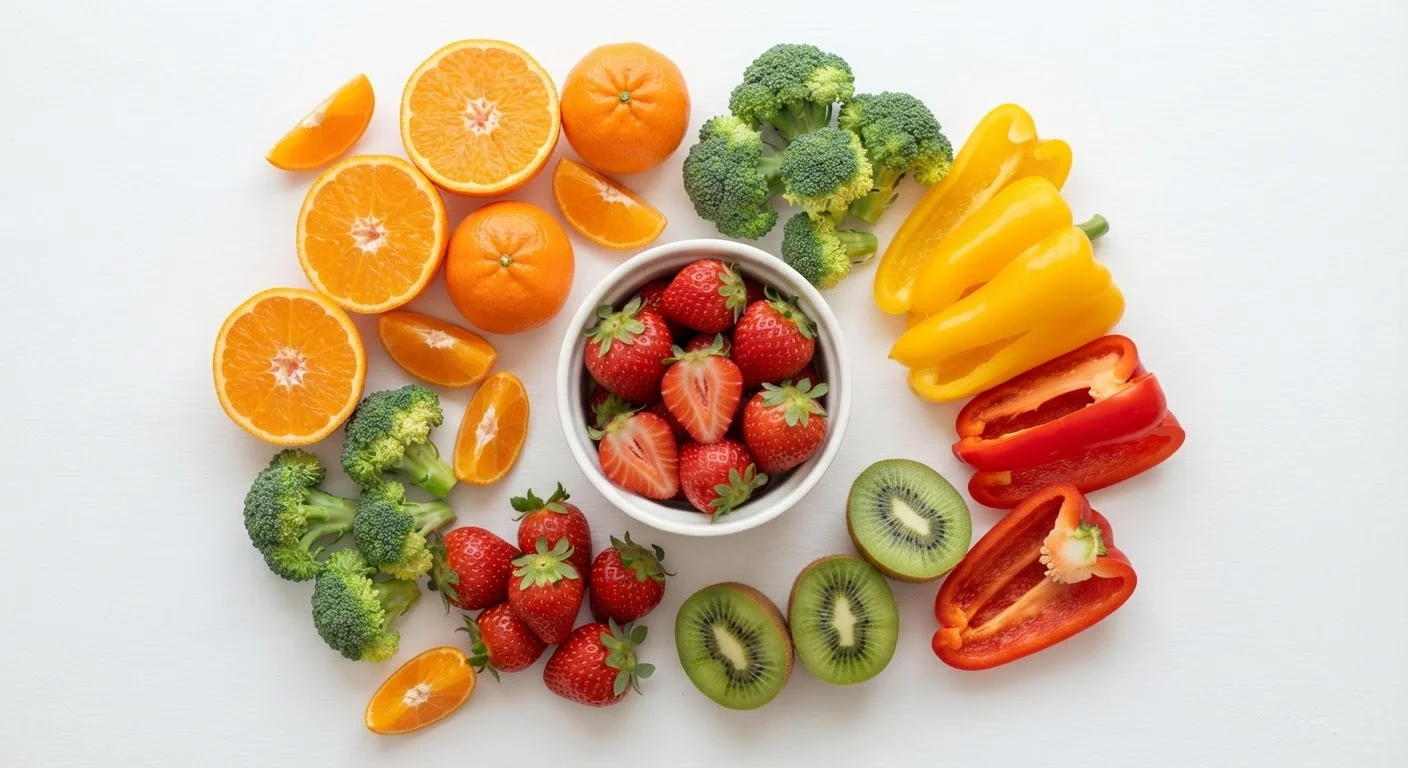
Oranges have excellent marketing, but they're not vitamin C champions. A single medium orange provides roughly 70 mg of vitamin C. By comparison, one cup of chopped red bell pepper delivers around 190 mg, and a cup of raw broccoli offers approximately 80 mg. Kiwi, strawberries, Brussels sprouts, and even potatoes are meaningful contributors. Eating a varied diet rich in produce gives you multiple pathways to meet your needs without relying on a single food.
Myth
Vitamin C's only job in the body is supporting the immune system.
Fact
Vitamin C is essential for collagen synthesis, iron absorption, antioxidant protection, and several other biological processes unrelated to immunity.
Immune support is vitamin C's most publicized role, but it represents only part of the picture. Vitamin C is a required cofactor for enzymes that build collagen - the structural protein that holds skin, cartilage, tendons, and blood vessels together. Without adequate vitamin C, wound healing slows and connective tissue weakens, as seen historically in scurvy. Vitamin C also enhances the absorption of non-heme iron (the type found in plant foods) by converting it into a more bioavailable form in the digestive tract - a practical benefit for vegetarians and vegans. It also acts as an antioxidant, helping neutralize free radicals in cells.
Myth
You can store up extra vitamin C by taking supplements regularly.
Fact
Vitamin C is water-soluble and cannot be stored in significant amounts; the kidneys excrete what the body doesn't use.
Unlike fat-soluble vitamins such as A, D, E, and K, vitamin C dissolves in water and is not held in long-term tissue reserves. Once your body meets its needs, the kidneys filter out the surplus and excrete it in urine. This is why consistent daily intake matters more than occasional large doses. It also means very high supplement doses carry limited upside for most people and some potential downside - including digestive discomfort and, at very high doses, an increased risk of kidney stones in susceptible individuals.
Myth
If you eat a reasonably healthy diet, you probably get enough vitamin C.
Fact
Most Americans who regularly eat fruits and vegetables do meet daily vitamin C needs, but poor produce intake remains a real gap for many people.
The Recommended Dietary Allowance (RDA) for vitamin C is 75 mg per day for adult women and 90 mg per day for adult men, with smokers needing an additional 35 mg due to increased oxidative stress. A single serving of several common fruits or vegetables can meet or exceed this threshold. However, national dietary surveys consistently show that many Americans fall short of recommended fruit and vegetable intake overall - meaning vitamin C adequacy is genuinely uneven. Prioritizing a variety of produce at most meals is the most reliable strategy. For context on how vitamin C fits into broader immune nutrition, see our guide on nutrition habits that support immune health.
Practical Ways to Get Enough Vitamin C Daily
Meeting your daily vitamin C needs is straightforward with a produce-forward diet. A few practical strategies make consistency easier:
- Diversify your produce: Rotate through bell peppers, citrus, strawberries, kiwi, broccoli, and leafy greens throughout the week to cover your bases without monotony.
- Pair plant-based iron with vitamin C: If you eat beans, lentils, or spinach, adding a vitamin C source to the same meal - a squeeze of lemon, sliced peppers, or a side of tomatoes - meaningfully boosts iron absorption.
- Minimize heat exposure where practical: Vitamin C is heat-sensitive and water-soluble. Steaming or eating vegetables raw preserves more of it than boiling for extended periods.
- Don't overlook frozen produce: Frozen fruits and vegetables are processed shortly after harvest and often retain vitamin C levels comparable to fresh options.
For most healthy adults, food-first is the right approach. If you have specific health conditions, follow a restricted diet, or are pregnant, discuss your individual needs with a registered dietitian or healthcare provider before considering supplements.
This article is for general informational and educational purposes only and is not a substitute for professional medical advice, diagnosis, or treatment. Always consult a qualified healthcare professional with questions about your diet or health.