

Key Takeaways
Skin Barrier
The skin barrier — sometimes called the stratum corneum — is the outermost layer of your skin. It acts like a biological shield, keeping moisture in and harmful substances like bacteria, allergens, and pollutants out. A healthy barrier depends on a precise mix of lipids (fats), proteins, and beneficial microorganisms. When that balance is disrupted, skin becomes vulnerable to dryness, irritation, and infection.
The skin's acid mantle — a thin, slightly acidic film on the surface — maintains a pH of roughly 4.5 to 5.5, which is essential for microbial balance and enzyme activity. Harsh cleansers can shift this pH, impairing barrier repair.
What the Skin Barrier Actually Does
Your skin is the body's largest organ, and its outermost layer does far more than sit passively between you and the world. The skin barrier functions as a dynamic, self-maintaining system that regulates moisture, screens out pathogens, and hosts trillions of microorganisms — collectively called the skin microbiome — that actively contribute to immune defense.
When this barrier is intact, it prevents transepidermal water loss (the gradual evaporation of moisture through skin), blocks environmental irritants, and maintains the slightly acidic pH that keeps harmful microbes in check. Disrupting any one of these functions has downstream effects on the others. This is why skin health is not simply about cleanliness — it's about balance.
The Skin Microbiome Is Not the Enemy
Many people associate bacteria on the skin with dirtiness, but the skin microbiome plays an active role in immune education and pathogen resistance. Beneficial species like Staphylococcus epidermidis produce compounds that inhibit harmful bacteria. Aggressive cleansing can reduce microbial diversity in ways that may increase susceptibility to skin infections and inflammation.
The Science of Over-Washing
Washing removes dirt, sweat, and potential pathogens — all legitimate hygiene goals. But every wash also removes something else: the sebum, ceramides, and fatty acids that form the lipid matrix holding the barrier together. Use water that is too hot, cleanse too frequently, or reach for a harsh surfactant, and you begin dismantling the very structure your skin relies on to protect you.
Research published in dermatology literature consistently shows that barrier disruption increases skin permeability — meaning allergens and irritants can penetrate more easily. It can also shift the skin's microbial community away from beneficial species, reducing the skin's first-line immune response. For people with conditions like eczema or psoriasis, compromised barrier function is a central driver of flares, not just a side effect.
~70%
Of eczema patients have measurable barrier dysfunction
Studies in the Journal of Investigative Dermatology have found that impaired skin barrier function is a primary feature — not just a consequence — of atopic dermatitis.
4.5–5.5
Ideal skin surface pH range
Maintaining this slightly acidic environment is critical to microbial balance; many common soaps have a pH above 9, which can temporarily alkalinize the skin surface.
~1 trillion
Microorganisms living on human skin
The National Institutes of Health Human Microbiome Project has documented that the skin hosts a vast, diverse microbial community whose disruption is linked to inflammatory skin conditions.
Finding the Right Cleansing Balance
Balance doesn't mean skipping showers or tolerating odor — it means being intentional about how and how often you cleanse. A few evidence-informed adjustments can meaningfully protect barrier integrity without sacrificing effective hygiene:
- Use lukewarm water, not hot. Heat accelerates lipid removal from the skin surface.
- Opt for gentle, fragrance-free cleansers. Harsh surfactants and added fragrances are among the most common causes of contact dermatitis and barrier disruption.
- Limit full-body washing to once daily for most people; every other day may be appropriate for those with dry or sensitive skin.
- Focus cleansing on high-odor and high-contact areas — armpits, groin, feet, and hands — rather than aggressive full-body scrubbing.
- Moisturize promptly after washing, ideally within a few minutes while skin is still slightly damp, to help restore lipids and lock in moisture.
For guidance on broader hygiene routines, see building a hygiene routine that holds up through busy seasons. And if you've long held the belief that more washing always means better protection, hygiene myths that have outlasted the evidence examines what the evidence actually shows.
Hand Washing: The Exception Worth Preserving
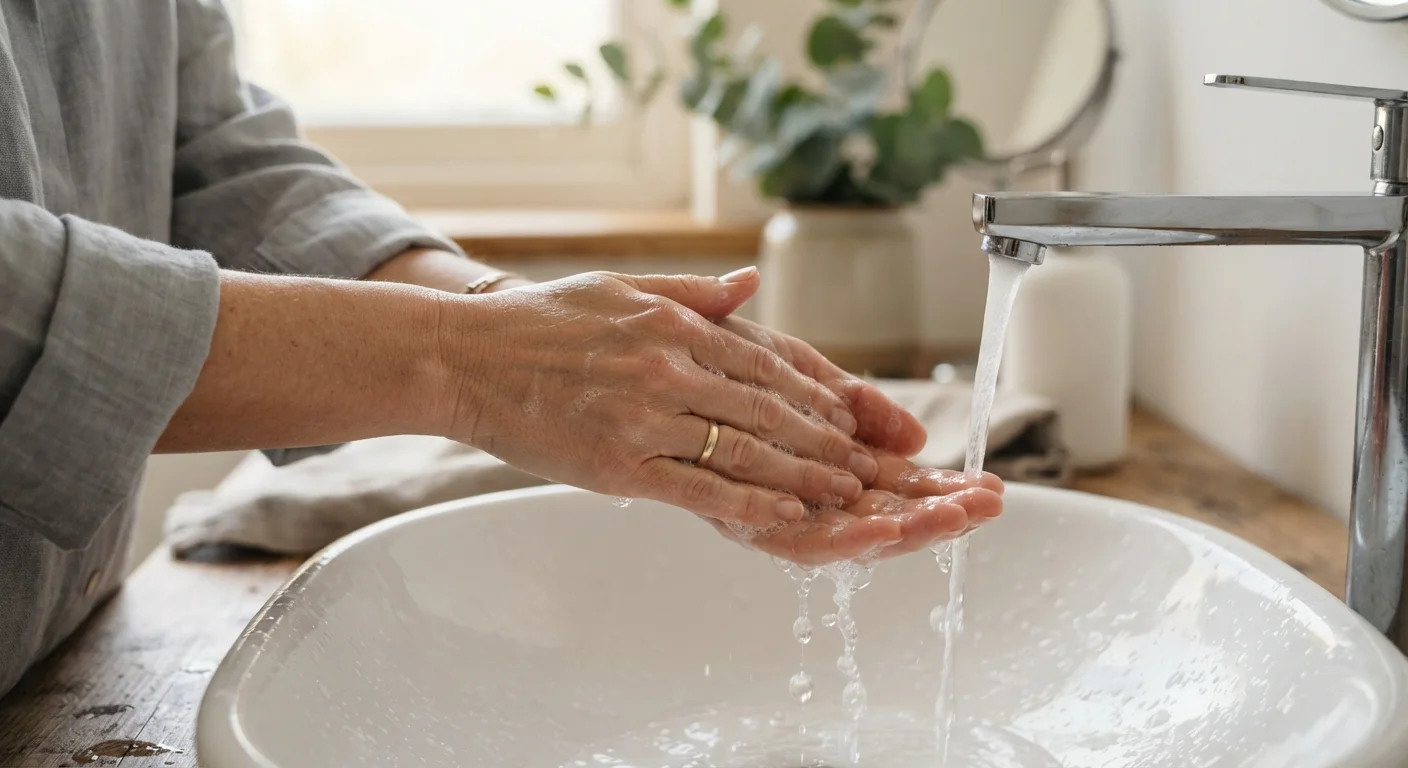
Not all washing carries equal risk to barrier health. Hand washing — done correctly and at appropriate times — remains one of the most effective public health interventions ever identified. The key moments: before preparing food, after using the restroom, after contact with someone who is ill, and after handling waste or raw meat.
The tradeoff is real: frequent hand washing, particularly in healthcare workers or those with hand eczema, is a documented cause of contact dermatitis and barrier damage. Applying a fragrance-free hand moisturizer after each wash is a practical step to offset cumulative lipid loss without reducing the hygiene benefit.
What to avoid: substituting excessive hand washing for proper technique. Twenty seconds with plain soap and adequate friction is what matters — not how many times you repeat the process throughout the day when it isn't warranted. For a broader look at cleaning tools that may be quietly working against you, why your towels, loofahs, and sponges need more attention is worth reviewing.
This article is for general informational purposes only and does not constitute medical advice. Consult a qualified healthcare professional for guidance specific to your skin type, health conditions, or symptoms.