

Key Takeaways
Why Diet Is a Foundation of Immune Health
The immune system is metabolically demanding — it depends on a steady supply of vitamins, minerals, proteins, and energy to produce immune cells, mount responses to pathogens, and regulate inflammation. When the diet falls consistently short, immune defenses can become compromised in measurable ways. Research published in peer-reviewed nutrition journals consistently shows that people with nutrient deficiencies — particularly in vitamins A, C, D, B6, B12, folate, zinc, selenium, and iron — show impaired immune responses compared to those with adequate intake.
That said, immune health is not built on a single nutrient or food. The broader dietary pattern — the combination of foods eaten regularly over time — is what shapes long-term immune resilience. For a fuller picture of how diet fits alongside sleep, exercise, and stress management, see this evidence-informed comparison.
This article is for general informational purposes only and is not a substitute for professional medical advice. Consult a qualified healthcare provider for guidance specific to your health situation.
Evidence-Based Nutrition Practices for Immune Support
The following practices reflect current nutrition science and mainstream public health guidance. They are not prescriptions — consider working with a registered dietitian if you have specific health concerns or dietary restrictions.
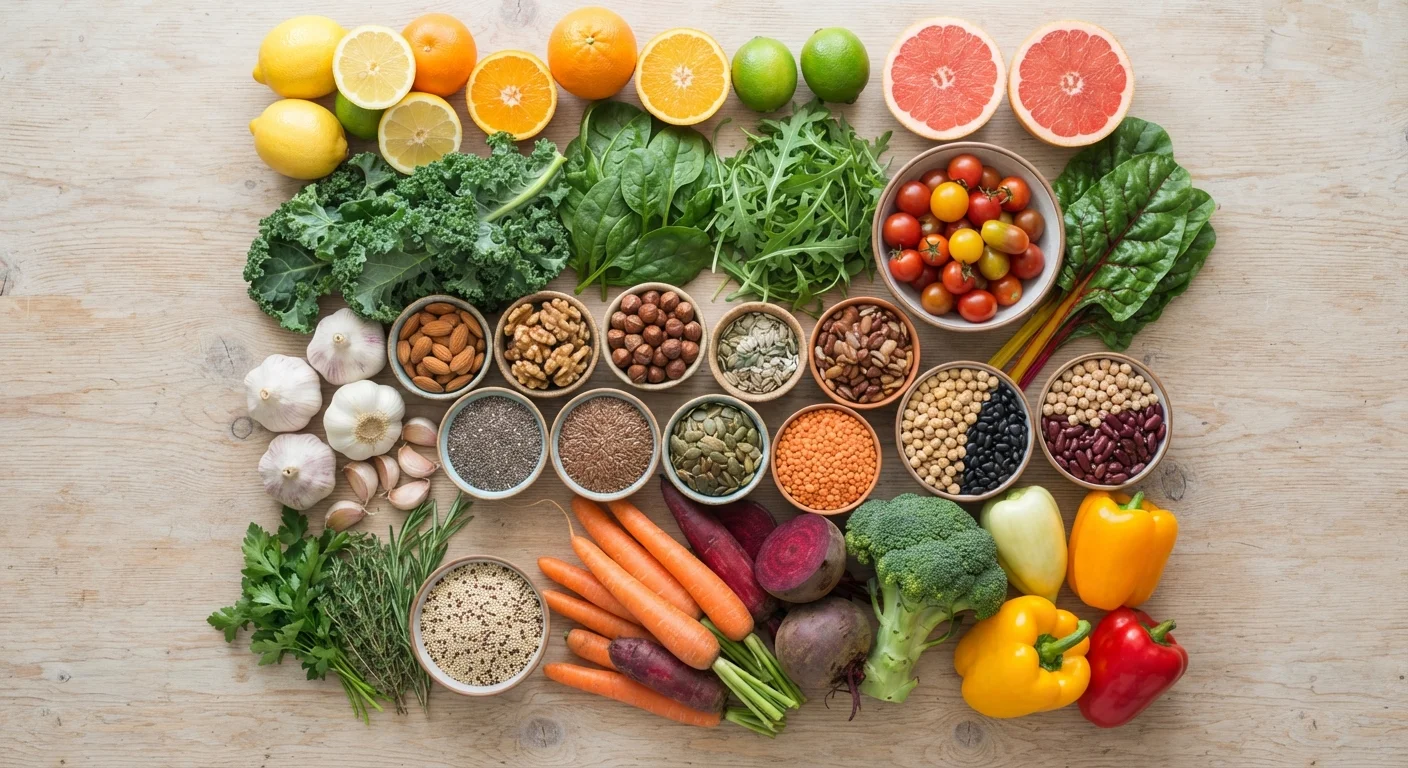
Eat a wide variety of colorful fruits and vegetables every day.
Different plant foods provide distinct vitamins, minerals, and phytonutrients that support various aspects of immune function. Variety reduces the risk of micronutrient gaps that can blunt immune responses. Research consistently links higher fruit and vegetable intake with better immune cell activity.
Prioritize dietary sources of vitamin D, and discuss supplementation with your doctor if blood levels are low.
Vitamin D receptors are found on most immune cells, and deficiency is associated with increased susceptibility to respiratory infections in multiple studies. Many Americans have insufficient vitamin D levels, especially during winter months with limited sun exposure.
Include adequate zinc-rich foods in your regular diet.
Zinc is essential for the development and function of immune cells, including neutrophils and natural killer cells. Even mild zinc deficiency impairs immune responses. It is one of the most thoroughly researched minerals in immune nutrition.
Consume fermented foods and high-fiber plant foods to support your gut microbiome.
A substantial portion of immune activity is regulated in the gut, where beneficial bacteria interact with immune tissue. Dietary fiber feeds those bacteria, while fermented foods introduce additional beneficial microorganisms. Studies link higher fiber intake with reduced systemic inflammation.
Limit heavily processed foods and excess added sugar.
Diets high in ultra-processed foods tend to displace nutrient-dense options and are associated with chronic low-grade inflammation, which can impair immune regulation over time. High sugar intake has been shown in laboratory studies to temporarily blunt certain immune cell functions.
Maintain adequate protein intake from varied sources.
Protein provides the amino acids needed to synthesize antibodies, cytokines, and immune cells. Protein undernutrition is one of the most established causes of immune impairment globally. Even moderate protein insufficiency can reduce the body's ability to mount effective immune responses.
Key Nutrients and Where to Find Them
While whole dietary patterns matter most, certain micronutrients have particularly well-documented roles in immune function. Understanding where they come from helps you prioritize food choices without relying on supplements as a first resort. For a structured reference, see Key Nutrients Linked to Immune Function.
~42%
U.S. adults with vitamin D insufficiency
According to data published in the journal Nutrients using NHANES survey results, approximately 42% of American adults have vitamin D blood levels below the threshold considered sufficient.
70%+
Immune cells located in the gut
Immunology researchers widely estimate that more than 70% of the body's immune system resides in or around the gastrointestinal tract, underscoring the diet–immunity connection.
2x
Higher infection risk with zinc deficiency
A review in the journal Advances in Nutrition found that zinc-deficient individuals face roughly double the risk of certain infections compared to those with adequate zinc status.
It is also worth noting that the gut is home to a large proportion of the body's immune activity. Fiber and fermented foods that support a healthy microbiome are not separate from immune nutrition — they are central to it. Learn more in our article on gut health and immunity.
Be cautious about extravagant supplement claims. Not every popular "immune booster" has meaningful clinical support. Popular immune-boosting claims put to the test separates well-supported strategies from those that lack solid evidence.
Start Here: Quick Wins for Your Immune Nutrition
If you are unsure where to begin, these immediately actionable steps can help you move in the right direction without overhauling your entire diet at once. Small, consistent changes tend to be more durable than dramatic short-term interventions.
For guidance on building these habits across the full year — including seasonal adjustments — explore Immune Health Through the Seasons. And if you are newer to thinking about immune health overall, the Immune Health Foundations starter guide is a useful starting point.