

Key Takeaways
A1C Test
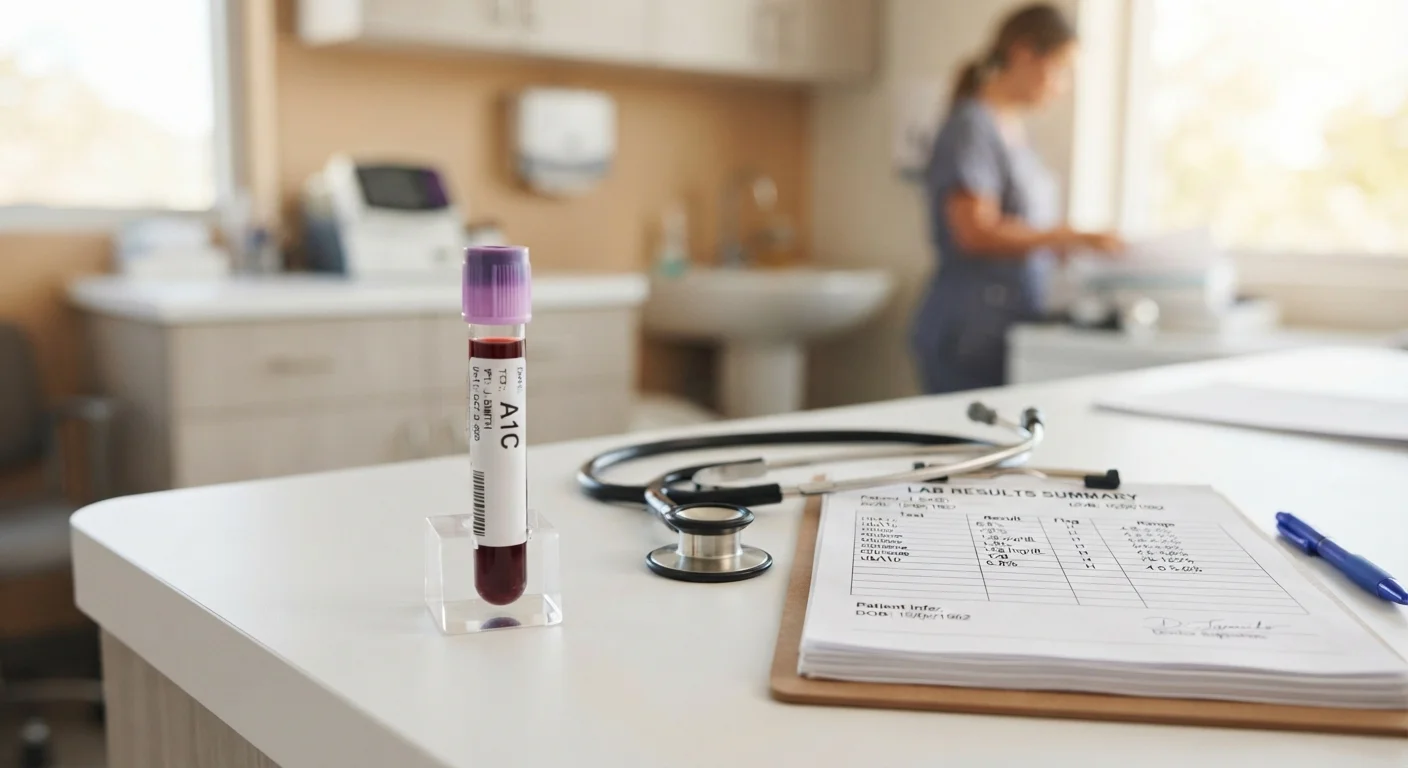
The A1C test — also called the hemoglobin A1C or HbA1c test — is a blood test that estimates your average blood sugar levels over the past two to three months. Unlike a finger-stick glucose check, which captures a single moment, the A1C gives clinicians a broader picture of how well the body is managing blood sugar over time. It is used both to screen for prediabetes and type 2 diabetes and to monitor people already diagnosed.
The test measures the percentage of hemoglobin proteins in red blood cells that have glucose attached; because red blood cells survive about 90 days, the result reflects a roughly three-month average.
What the A1C Test Actually Measures
Blood sugar — formally called blood glucose — fluctuates throughout the day depending on meals, activity, stress, and other factors. A single glucose reading can be misleading, which is why the A1C test is so clinically valuable. It works by measuring how much glucose has bonded to hemoglobin, the protein inside red blood cells that carries oxygen.
Because red blood cells have a lifespan of roughly 90 days, the proportion of glycated (glucose-attached) hemoglobin reflects sustained blood sugar exposure — not just what you ate for breakfast. The result is expressed as a percentage. A lower percentage means less glucose has accumulated on hemoglobin, signaling better average blood sugar control.
A1C Has Limits in Certain Populations
The A1C test is highly reliable for most people, but specific conditions — including certain inherited hemoglobin disorders, iron-deficiency anemia, and chronic kidney disease — can skew results higher or lower than the true average. If your provider has concerns about accuracy, alternative tests such as fasting plasma glucose or a continuous glucose monitor reading may be used alongside or instead of the A1C.
This three-month window makes the A1C especially useful for tracking trends over time and for gauging whether lifestyle changes or treatments are working — information a single blood draw cannot provide.
How Results Are Interpreted
Healthcare providers use standardized ranges to categorize A1C results:
- Below 5.7% — Normal; continued periodic monitoring may still be recommended based on risk factors.
- 5.7% to 6.4% — Prediabetes; blood sugar is elevated but not yet at the threshold for a diabetes diagnosis.
- 6.5% or higher — Consistent with diabetes when confirmed by a second test on a separate day.
It is important to understand that a single A1C result outside the normal range is not an automatic diagnosis. Providers typically confirm findings with a repeat A1C or a different test, such as a fasting plasma glucose or oral glucose tolerance test, before making a clinical determination.
Who Should Get Screened and When
The U.S. Preventive Services Task Force (USPSTF) recommends blood sugar screening — including the A1C — for adults between ages 35 and 70 who have overweight or obesity, defined as a body mass index (BMI) of 25 or higher. This recommendation is grounded in evidence that early detection significantly improves outcomes.
However, certain risk factors may make earlier or more frequent screening appropriate. These include:
- A first-degree relative (parent or sibling) with type 2 diabetes
- A history of gestational diabetes or delivering a baby weighing more than 9 pounds
- Polycystic ovary syndrome (PCOS)
- Physical inactivity
- African American, Hispanic/Latino, American Indian, Alaska Native, Asian American, or Pacific Islander heritage, populations with documented higher risk
- High blood pressure or abnormal cholesterol levels
If you are unsure whether your personal history warrants screening before age 35, a conversation with your primary care provider is the right starting point. For a broader look at the screenings adults should consider, see Preventive Screenings Every Adult Should Know About.
What Happens During and After the Test
The A1C test is a routine blood draw — typically from a vein in your arm — that takes only a few minutes. No fasting is required, and most people experience little more than a brief pinch. Results are usually available within a few days, though some clinical settings offer point-of-care A1C tests with results in under 15 minutes.
If your result is in the prediabetes range, your provider will likely discuss lifestyle strategies to lower risk and recommend a follow-up test within one to two years — or sooner if your numbers are near the higher end of the range. Evidence from large clinical trials, including research supporting the National Diabetes Prevention Program, shows that structured lifestyle changes can reduce the risk of progressing from prediabetes to type 2 diabetes by more than 50% in some populations.
For people already diagnosed with diabetes, the A1C is a routine management tool used to assess how well blood sugar is being controlled and whether adjustments to a care plan may be warranted. Any changes to treatment should always involve a qualified clinician.
This article is for general informational and educational purposes only and does not constitute medical advice. Always consult a qualified healthcare professional for guidance specific to your health situation.