

Key Takeaways
Summary
18 items · 10–20 minutes
Stress and Sleep: Where Normal Ends and Disorder Begins
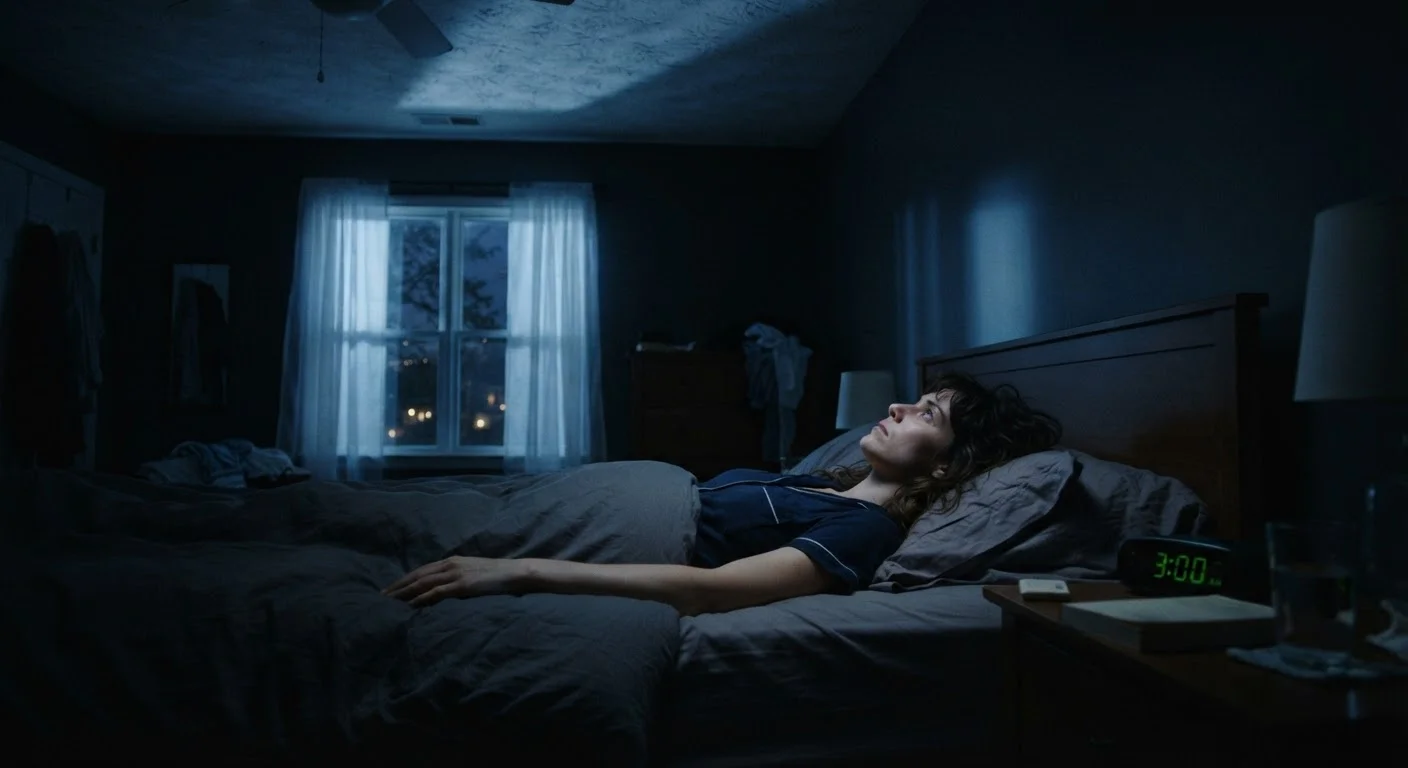
Nearly everyone experiences nights of poor sleep during stressful periods — a looming deadline, a family crisis, financial worry. This kind of situational sleeplessness is well-documented and, for most people, temporary. Once the stressor passes, sleep typically returns to baseline. Understanding how sleep and stress interact can clarify why this happens physiologically.
The concern arises when sleep problems persist or intensify independent of your stress level, follow patterns inconsistent with anxiety, or produce symptoms during sleep that you or a bed partner notice. At that point, what feels like a stress response may be something the medical community classifies as a sleep disorder — a distinct condition requiring its own evaluation and management.
Sleep disorders differ meaningfully from ordinary poor sleep in their causes, their course over time, and their consequences for overall health. The checklist below is designed to help you recognize patterns that warrant a conversation with a qualified healthcare provider. It is not a diagnostic tool.
Stress and Sleep Disorders Often Co-Occur
Having significant stress does not rule out a sleep disorder. Many people live with both simultaneously, which can make each condition harder to identify and treat. If stress management efforts improve your mood and anxiety but your sleep remains disrupted, that discordance is itself a clinically relevant pattern worth reporting to your provider.
What to Bring to Your Checklist Review
Before working through the signs below, gather a few weeks of basic self-observation if possible. A simple sleep log — noting bedtime, wake time, nighttime awakenings, and how you feel by mid-morning — gives a clinician far more actionable data than memory alone. The tools listed here can help structure that process.
Sleep diary or journal
Tracks nightly sleep patterns, wake times, and next-day energy to reveal trends a clinician can analyze.
Consumer sleep-tracking wearable
Provides objective estimates of sleep duration and interruptions to supplement self-reported data; accuracy varies by device.
Epworth Sleepiness Scale (ESS)
A standardized, publicly available questionnaire that quantifies daytime sleepiness and is commonly used in clinical sleep evaluations.
Bed-partner or roommate input
Captures nighttime behaviors you cannot observe yourself, such as snoring, gasping, or movement during sleep.
Signs Your Sleep Problem May Be More Than Stress
Review each item honestly. A single "yes" does not confirm a disorder; a cluster of "yes" responses, or any single item marked as a must, warrants professional evaluation. Use this alongside guidance from our deeper look at common sleep disorders in adults.
Duration and Persistence
Nighttime Symptoms
Daytime Function and Sleepiness
Sleep Timing and Patterns
Response to Self-Help Strategies
When to Seek Immediate Medical Attention
If you or someone you live with has observed repeated pauses in breathing during sleep, or if you experience sudden loss of muscle control, excessive daytime sleepiness severe enough to be dangerous while driving, or any sleep-related symptom that feels physically alarming, do not wait — contact a healthcare provider promptly. Some sleep disorders carry meaningful cardiovascular and safety risks when left untreated.
What to Do After Reviewing This Checklist
If several items resonated, consider scheduling an appointment with your primary care provider as a first step. Bring your sleep log and a summary of which signs apply to you. Depending on what they find, you may be referred to a sleep specialist or a sleep clinic for further testing, such as an overnight polysomnography study.
It is also worth separating sleep concerns from broader mental health patterns. Persistent, hard-to-control worry can both mimic and coexist with sleep disorders, and treating only one without addressing the other often produces limited results. Similarly, if your current stress management routine isn't producing improvement, that pattern itself is informative data for your clinician.
Effective, evidence-based treatments exist for most diagnosable sleep disorders. Identifying the right problem is the necessary first step.
This article is for informational and educational purposes only and does not constitute medical advice, diagnosis, or treatment. Always consult a qualified healthcare professional about your specific health concerns or before making changes to any health-related routine.