

| Primary metabolic pacemaker | Thyroid hormones (T3 and T4) |
| Hormone that lowers blood glucose | Insulin (secreted by the pancreas) |
| Hormone that raises blood glucose | Glucagon (secreted by the pancreas) |
| Primary stress-and-energy hormone | Cortisol (from the adrenal glands) |
| Satiety signal hormone | Leptin (secreted by fat cells) |
| Hunger-stimulating hormone | Ghrelin (mainly from the stomach) |
Why Hormones Are Central to Metabolism
Metabolism - the sum of all chemical reactions your body uses to produce and use energy - doesn't run on autopilot. It's tightly orchestrated by a network of hormones, each signaling different tissues to speed up, slow down, store, or release energy. When these hormones work in balance, your body manages fuel efficiently. When one or more fall out of range, metabolic function can shift in meaningful ways.
Understanding what each hormone does gives you a clearer picture of why factors like sleep, stress, and blood sugar all have a measurable impact on how your body burns and stores energy. For a broader look at how metabolic rate is influenced by multiple variables, see our evidence-ranked breakdown of metabolic factors.
| Primary metabolic pacemaker | Thyroid hormones (T3 and T4) |
| Hormone that lowers blood glucose | Insulin (secreted by the pancreas) |
| Hormone that raises blood glucose | Glucagon (secreted by the pancreas) |
| Primary stress-and-energy hormone | Cortisol (from the adrenal glands) |
| Satiety signal hormone | Leptin (secreted by fat cells) |
| Hunger-stimulating hormone | Ghrelin (mainly from the stomach) |
The Key Metabolic Hormones and What They Do
Several hormones are especially well-established in their roles governing energy metabolism. Here's what the research shows about each.
Thyroid Hormones (T3 and T4)
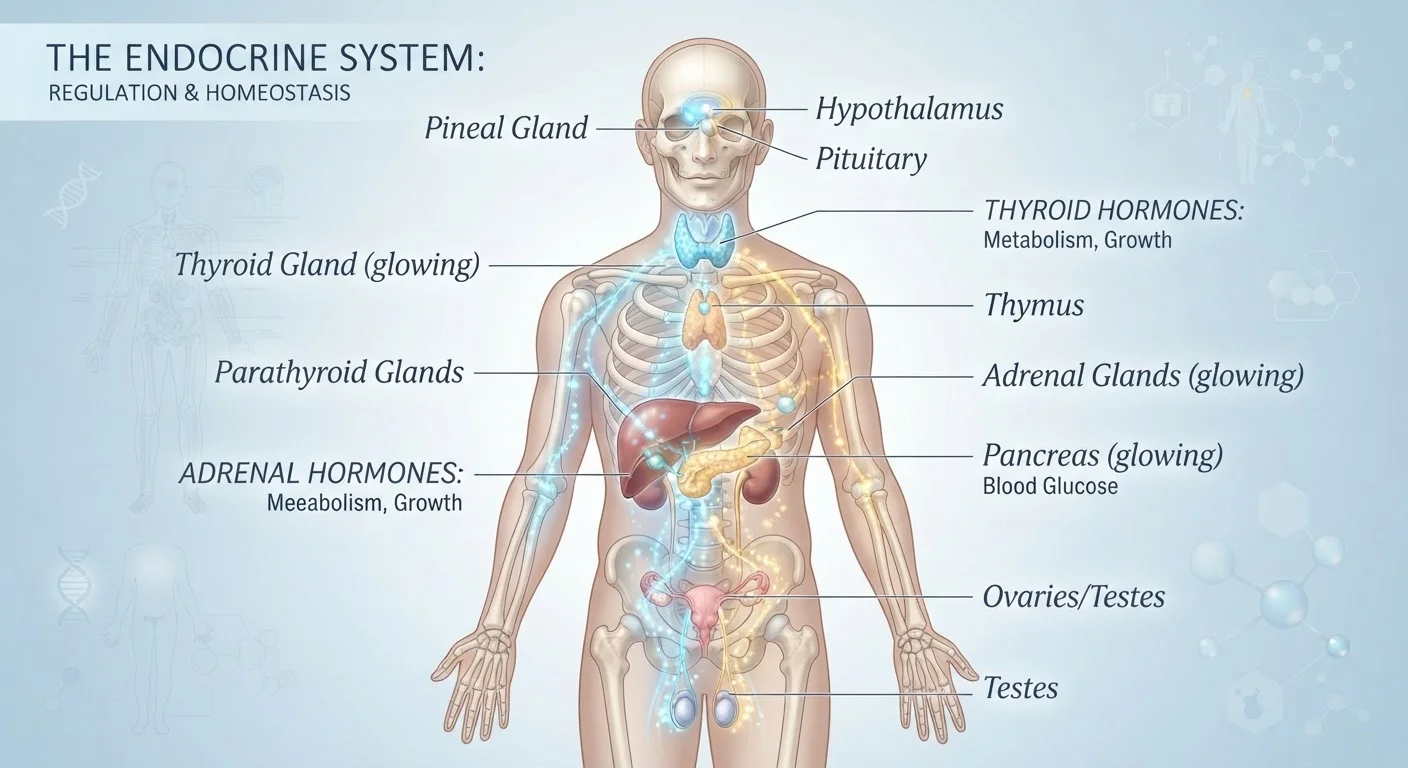
The thyroid gland produces two main hormones - thyroxine (T4) and triiodothyronine (T3) - that set the pace of metabolism across nearly every cell. They regulate basal metabolic rate (BMR), influence heart rate, body temperature, and how quickly cells use oxygen. An underactive thyroid (hypothyroidism) can slow metabolism, leading to fatigue and weight changes; an overactive thyroid (hyperthyroidism) accelerates it. Thyroid function is itself regulated by thyroid-stimulating hormone (TSH) from the pituitary gland, forming a feedback loop.
Insulin
Produced by the pancreas in response to rising blood glucose, insulin is the primary hormone that moves sugar from the bloodstream into cells for energy or storage. It also suppresses fat breakdown (lipolysis). When cells stop responding efficiently to insulin - a state called insulin resistance - blood sugar stays elevated and the pancreas compensates by producing more insulin. This disruption is closely tied to metabolic conditions including type 2 diabetes. The brain's dependence on stable glucose is explored further in our article on metabolism and mental energy.
Cortisol
Often called the stress hormone, cortisol is released by the adrenal glands during physical or psychological stress. In short bursts, it mobilizes glucose and fatty acids for quick energy - useful during an acute threat. Chronically elevated cortisol, however, can promote fat storage (particularly around the abdomen), impair insulin sensitivity, and suppress thyroid function. Because cortisol also plays a central role in the sleep-wake cycle, chronic poor sleep and metabolic disruption are tightly linked. See how cortisol interacts with sleep hormones for more detail.
Leptin and Ghrelin
These two hormones regulate appetite and energy balance. Leptin, secreted by fat cells, signals satiety to the brain; when body fat drops, leptin levels fall and appetite increases. Ghrelin, produced mainly in the stomach, signals hunger. Sleep deprivation measurably disrupts both - reducing leptin and raising ghrelin - which helps explain why poor sleep is associated with increased caloric intake.
Glucagon
The pancreas also produces glucagon, which has the opposite role from insulin: it raises blood glucose by stimulating the liver to release stored glycogen and produce new glucose. Glucagon and insulin work in a careful counterbalance to keep blood sugar within a narrow, healthy range.
Basal Metabolic Rate (BMR)
The number of calories your body burns at complete rest to maintain basic life functions such as breathing, circulation, and cell repair. It represents the largest component of total daily energy expenditure.
Insulin Resistance
A condition in which cells respond less efficiently to insulin's signal to absorb blood glucose. The pancreas compensates by producing more insulin, which over time can contribute to elevated blood sugar and metabolic dysfunction.
Hypothyroidism
A condition in which the thyroid gland produces insufficient amounts of thyroid hormones, often resulting in a slowed metabolism, fatigue, and other systemic effects. It is diagnosed through blood tests and managed by a healthcare provider.
Cortisol
A steroid hormone released by the adrenal glands in response to stress or low blood glucose. It mobilizes energy stores in the short term, but chronically elevated levels can impair metabolic function and promote fat storage.
Glucagon
A hormone secreted by the pancreas that raises blood glucose by prompting the liver to release stored glycogen or synthesize new glucose. It acts as the metabolic counterpart to insulin.
Leptin
A hormone produced by fat (adipose) tissue that signals fullness and energy sufficiency to the brain's hypothalamus. Falling leptin levels typically trigger increased appetite and reduced energy expenditure.
When Hormonal Imbalances Affect Metabolic Health
Hormonal imbalances affecting metabolism are relatively common and can arise from genetics, aging, chronic stress, nutritional status, and underlying health conditions. Because these systems are interconnected, a disruption in one often creates ripple effects. Elevated cortisol can impair thyroid signaling; insulin resistance can alter leptin sensitivity; declining sex hormones during menopause or andropause can shift where the body stores fat and how efficiently it burns calories. Explore how metabolic rate shifts across life stages for context on age-related hormonal changes.
If you suspect a hormonal issue is affecting your metabolism - for example, persistent fatigue, unexplained weight changes, or difficulty regulating blood sugar - a healthcare provider can order specific blood tests to evaluate thyroid, glucose, and other hormone levels. Self-diagnosing or modifying treatment based on general information is not recommended. Daily lifestyle habits around sleep, movement, and meal timing can support hormonal balance; practical evidence-informed habits are outlined here.
This article is for general informational purposes only and is not medical advice. Consult a qualified healthcare professional for any concerns about your metabolic health or hormone levels.