

Key Takeaways
Functional Fitness
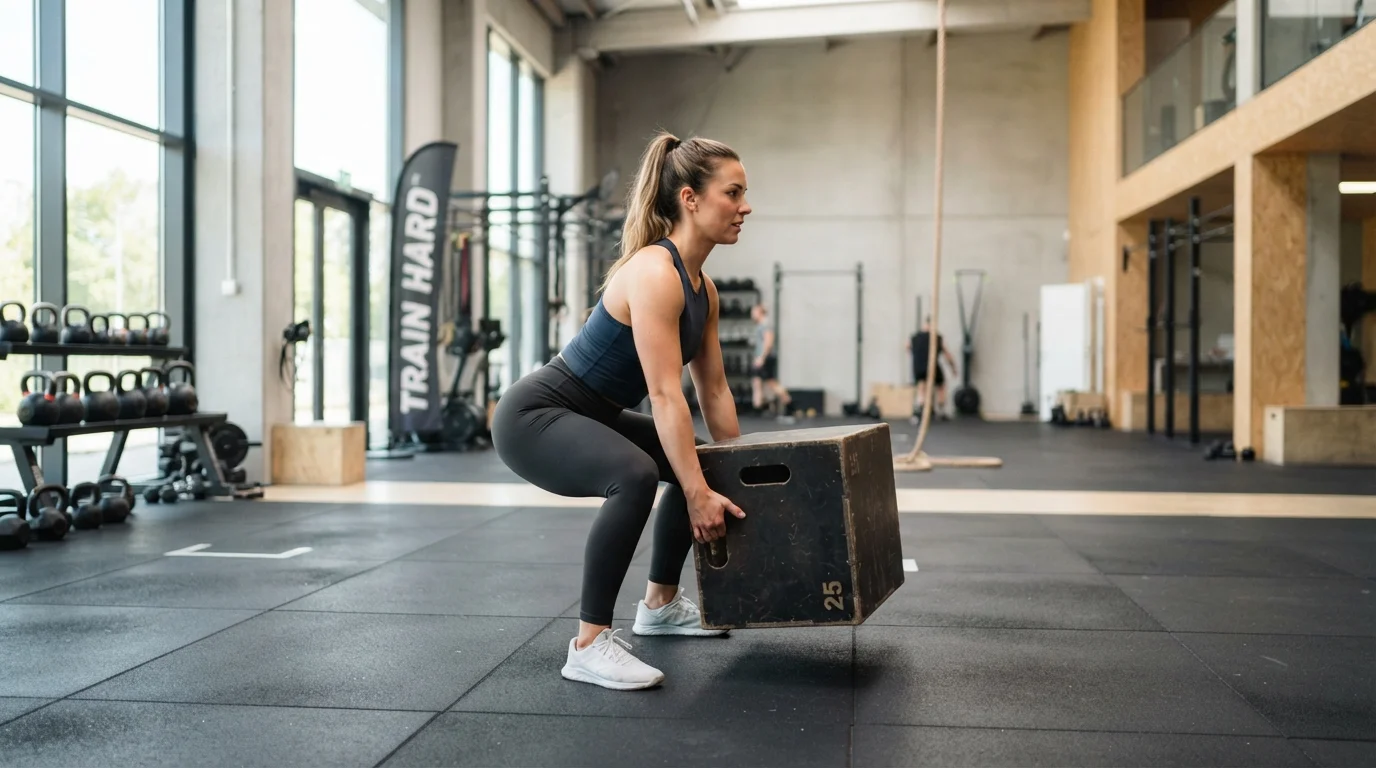
Functional fitness is a style of exercise training that focuses on movements mimicking the physical demands of everyday life - things like squatting, lifting, carrying, pushing, and rotating. Rather than isolating individual muscles, it trains the body to work as a coordinated system. The goal is to make real-world tasks easier, safer, and more efficient.
Functional training typically emphasizes multi-joint, multi-planar movements that recruit stabilizer muscles and improve neuromuscular coordination - qualities that traditional isolation exercises may not develop as directly.
The Core Idea Behind Functional Fitness
Functional fitness is built around a simple premise: train the way you live. Instead of designing workouts around machines that move in a fixed path or exercises that target one muscle in isolation, functional training asks, what does the body actually need to do well?
The answer involves patterns - squatting, hinging at the hips, pushing, pulling, rotating, and carrying loads through space. These are the foundational movements behind nearly every physical task in daily life, from unloading groceries to playing with a child on the floor to reaching something on a high shelf.
Because functional fitness focuses on patterns rather than parts, it tends to involve multiple joints and muscle groups working together. That coordination is precisely what makes it transfer so well beyond the gym. To understand where it fits among other training styles, it helps to first be familiar with the major exercise categories and what each one does.
How It Differs from Traditional Gym Training
Traditional gym training - particularly machine-based strength training - is often organized around isolating specific muscles. A leg extension machine targets the quadriceps. A cable curl works the biceps. A chest fly focuses on the pectorals. This approach is highly effective for building muscle size and strength in targeted areas, and it's a cornerstone of bodybuilding and rehabilitation.
Functional training takes a different organizing logic. Instead of asking "which muscle do I want to work?" it asks "which movement pattern do I want to improve?" A squat, for instance, trains the quads, glutes, hamstrings, core, and stabilizing muscles all at once - because that's how the body actually lifts something from the floor.
Consider Combining Both Approaches
If you currently follow a traditional gym routine, adding one or two functional movement sessions per week can complement your existing training without replacing it. Exercises like goblet squats, single-leg deadlifts, and overhead carries are straightforward to learn and integrate well with most programs. A certified personal trainer can help you find the right balance for your specific goals.
This doesn't make one approach superior. They solve different problems. Traditional training can build the raw strength and muscle mass that functional movements then put to use. As noted in our article on why relying on only one type of exercise creates gaps, variety across training styles supports more complete physical health.
Key Principles of Functional Training
Several characteristics define functional training and distinguish it from other exercise formats:
- Multi-joint movements: Exercises involve several joints working together - hips, knees, and ankles in a squat; shoulders, elbows, and wrists in a push-up.
- Multi-planar motion: The body moves in multiple directions - forward, sideways, rotationally - rather than only front-to-back.
- Core integration: Nearly every functional movement requires the core to stabilize the spine, making it a byproduct of the training rather than an add-on.
- Balance and proprioception: Many functional exercises challenge the body's ability to control its position in space, which supports coordination and stability.
These principles also explain why functional fitness is frequently used in physical therapy and older-adult fitness programs - the skills it builds have direct relevance to fall prevention and independent living. It pairs naturally with work on mobility and flexibility, which supports the full range of motion functional movements require.
What This Looks Like in Practice
The line between functional and traditional training isn't always sharp. A barbell deadlift is both a traditional strength exercise and one of the most functional movements in existence. A farmer's carry - simply walking while holding weights - is pure functional training with no machine equivalent.
Where you start depends on your goals. If your priority is moving better, avoiding injury, and maintaining independence, functional training offers a direct path. If you're new to exercise altogether, understanding the difference between daily movement and structured workouts is a useful first step before designing any training plan.
This article is for general informational and educational purposes only and is not a substitute for professional medical or fitness advice. Consult a qualified healthcare or fitness professional before beginning any new exercise program, especially if you have existing health conditions or physical limitations.