

Key Takeaways
Annual Physical Exam
An annual physical exam — also called a wellness visit or routine checkup — is a scheduled appointment with a primary care provider designed to assess your overall health, identify risk factors, and catch potential problems before symptoms develop. It typically includes a review of your medical history, vital signs measurement, a head-to-toe physical assessment, and discussion of preventive screenings. The visit focuses on keeping you healthy, not just treating existing illness.
Clinically, the annual physical may overlap with a "Welcome to Medicare" visit or an Annual Wellness Visit (AWV) for Medicare enrollees — but the covered components and billing codes differ from a standard preventive exam.
The Opening Assessment: History and Vitals
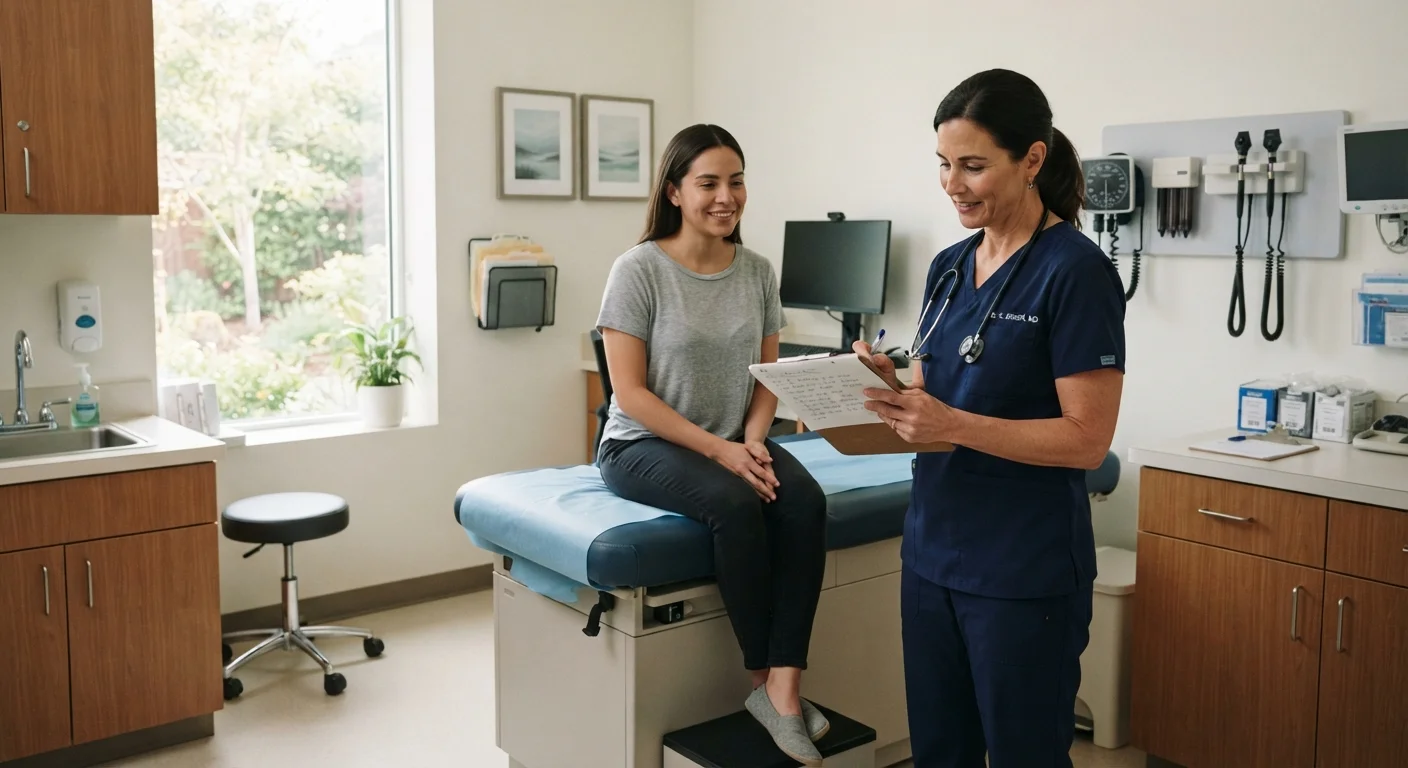
The appointment typically begins before the physician even enters the room. A nurse or medical assistant will record your vital signs — blood pressure, heart rate, respiratory rate, temperature, and weight. These baseline measurements are more meaningful than they might seem: consistently elevated blood pressure, for example, often produces no noticeable symptoms yet significantly raises cardiovascular risk.
Your provider will then review or update your health history. Expect questions about changes in medications, new diagnoses since your last visit, family history updates, and lifestyle factors including diet, physical activity, sleep, alcohol use, and tobacco status. This isn't small talk — it directly shapes which screenings and counseling you'll receive. Be candid; your answers are confidential and clinically important.
The Physical Examination: What Gets Examined and Why
The hands-on portion of the exam varies by age and sex but generally follows a systematic, head-to-toe pattern. Your doctor may assess:
- Eyes, ears, nose, and throat — for signs of infection, thyroid enlargement, or lymph node swelling
- Heart and lungs — listening with a stethoscope for irregular rhythms, murmurs, or abnormal breath sounds
- Abdomen — palpating for organ size, tenderness, or masses
- Skin — noting moles, lesions, or changes warranting further evaluation
- Reflexes and musculoskeletal function — checking neurological responses and joint health
Depending on your demographics and risk profile, additional components may include a pelvic exam, breast exam, testicular exam, or prostate screening discussion. These are not automatic — they're guided by clinical guidelines and your individual circumstances.
Be Honest About Lifestyle Habits
Your doctor uses your answers about diet, exercise, alcohol, tobacco, and sleep to personalize your screening recommendations and counseling. There's no clinical benefit to minimizing habits — providers are trained to respond without judgment, and accurate information leads to more relevant, useful care.
Screenings, Labs, and Preventive Counseling
One of the most valuable parts of the annual visit is determining which preventive screenings you're due for. The U.S. Preventive Services Task Force (USPSTF) issues evidence-based recommendations on screenings like colorectal cancer, cervical cancer, lung cancer (for eligible smokers), diabetes, osteoporosis, and depression. Your doctor uses your age, sex, family history, and lifestyle to prioritize which apply to you.
Laboratory work is typically ordered at or before the visit. A fasting lipid panel screens for cholesterol abnormalities; blood glucose or HbA1c tests assess diabetes risk; a complete blood count can surface anemia or infection. Results often arrive within days and may prompt follow-up conversation.
The visit also creates space for preventive counseling — a structured conversation about immunizations you may be due for, weight management, mental health, sexual health, or injury prevention. This counseling is evidence-based, not generic advice.
75%
Adults who see a doctor only when sick
According to CDC survey data, a significant majority of American adults do not maintain consistent preventive care relationships with a primary care provider.
1 in 3
Adults with undiagnosed hypertension
The CDC estimates that roughly one-third of adults with high blood pressure are unaware of their condition, underscoring the value of routine blood pressure checks.
45%
Reduction in late-stage cancer diagnoses
Research published in peer-reviewed literature consistently links adherence to recommended cancer screenings with detection at earlier, more treatable stages.
Making the Visit Work for You
The annual physical is only as useful as the engagement you bring to it. Before the appointment, consider reviewing what to bring to a preventive health appointment — including a current medication list, insurance information, and your family health history. Writing down questions in advance prevents the common experience of forgetting them once you're in the exam room.
If you want to get even more out of the time you have with your provider, strategies for maximizing a primary care visit can help you leave with clear next steps rather than lingering uncertainties.
Many Americans avoid these visits for reasons that feel legitimate — cost concerns, time pressure, or simply feeling well. Research on why people skip routine checkups shows that feeling healthy is not a reliable signal that all is well — several serious conditions are clinically silent in early stages.
This article is for general informational and educational purposes only and does not constitute medical advice. Always consult a qualified healthcare professional regarding your individual health needs, screenings, or any medical concerns.