

Key Takeaways
Parasomnias
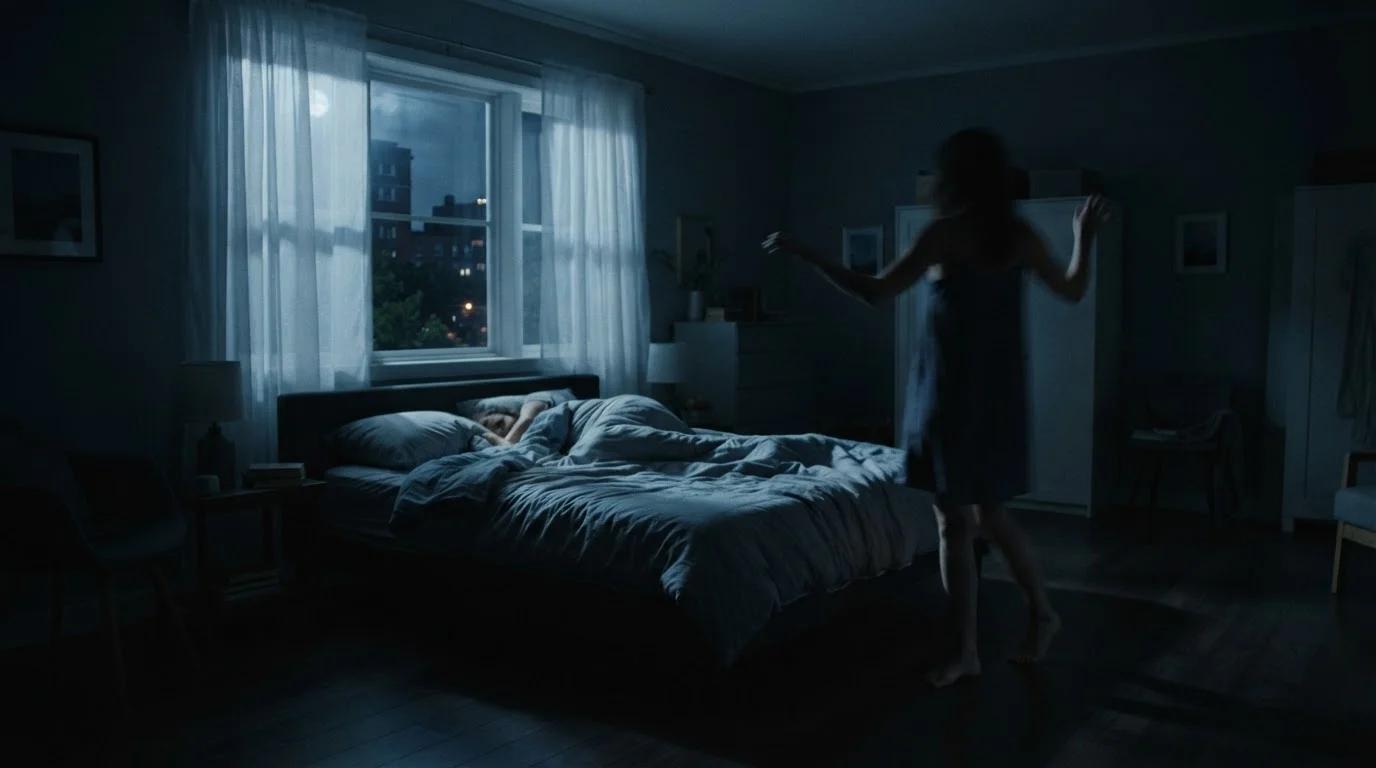
Parasomnias are a category of sleep disorders characterized by abnormal behaviors, movements, emotions, or experiences that occur while falling asleep, during sleep, or while waking up. Unlike insomnia or sleep apnea, parasomnias don't primarily affect the ability to sleep — they produce disruptive events during sleep itself. Examples include sleepwalking, night terrors, and REM sleep behavior disorder.
Parasomnias are classified by the sleep stage in which they arise: NREM (non-rapid eye movement) parasomnias typically emerge from deep slow-wave sleep, while REM parasomnias occur during the dream-active phase of the sleep cycle.
What Makes a Sleep Disorder a Parasomnia?
Not all sleep problems look the same. While many people are familiar with insomnia or snoring, parasomnias represent a distinct category — defined not by an inability to sleep, but by what happens during sleep. They involve unwanted physical or psychological events that intrude on an otherwise normal sleep period.
To understand parasomnias, it helps to know how sleep is structured. The brain cycles through multiple stages each night, alternating between NREM (non-rapid eye movement) and REM (rapid eye movement) sleep. Parasomnias are closely tied to these stages. Sleep architecture — the sequencing of these stages — determines when and how specific parasomnia types tend to emerge.
NREM parasomnias occur during deep sleep, typically in the first half of the night. REM parasomnias arise during dream sleep, more common in the early morning hours. This distinction matters for diagnosis and for understanding the nature of each condition.
The Major Types of Parasomnias
Parasomnias span a wide range of behaviors and experiences. Below are the most clinically recognized types:
NREM Parasomnias (Disorders of Arousal)
- Sleepwalking (somnambulism): A person rises and walks or performs complex activities — sometimes even leaving the house — with no memory of the episode. Eyes may be open but the person is not consciously aware.
- Night terrors (sleep terrors): Episodes of intense fear, screaming, or thrashing that occur during deep NREM sleep. Unlike nightmares, the person is not dreaming and typically has no recall of the event afterward.
- Confusional arousals: Partial awakenings where the person appears confused, may speak incoherently, and is difficult to rouse fully. Common in young children.
REM Parasomnias
- REM sleep behavior disorder (RBD): The normal muscle paralysis that accompanies REM sleep is absent, allowing individuals to physically act out their dreams. This can involve shouting, punching, or falling out of bed.
- Sleep paralysis: A temporary inability to move or speak upon waking or falling asleep, sometimes accompanied by vivid hallucinations. Episodes are usually brief but can be distressing.
- Nightmare disorder: Repeated, distressing dreams that disrupt sleep and cause significant daytime impairment — distinct from the occasional bad dream most people experience.
What Triggers Parasomnias?
Parasomnias rarely have a single cause. Research points to a combination of biological vulnerability and environmental or lifestyle factors. Key contributors include:
- Genetics: NREM parasomnias, especially sleepwalking, cluster in families, suggesting a hereditary component.
- Sleep deprivation: Insufficient sleep increases the intensity of slow-wave sleep on recovery nights, which can precipitate NREM parasomnia episodes.
- Stress and anxiety: Emotional stress is a commonly reported trigger, particularly for night terrors and sleepwalking.
- Medications: Certain sedatives, antidepressants, and sleep aids have been associated with parasomnia episodes in some individuals.
- Alcohol and substance use: These can fragment sleep architecture and reduce the quality of REM sleep, raising risk.
- Underlying conditions: Sleep apnea, fever, and neurological conditions are linked to secondary parasomnias.
For REM sleep behavior disorder specifically, emerging research has identified associations with neurodegenerative diseases such as Parkinson's disease and Lewy body dementia — sometimes appearing years before other symptoms. This makes clinical evaluation especially important for adults who develop RBD later in life.
When to Seek Professional Guidance
Occasional, mild parasomnia events — particularly in children — are common and often not a medical concern. However, certain patterns warrant evaluation by a qualified healthcare professional:
- Episodes that are frequent or escalating in severity
- Behaviors that result in injury to the individual or others
- Significant daytime fatigue or impairment linked to disrupted sleep
- New onset of RBD in adults, particularly those over 50
- Episodes accompanied by other neurological symptoms
A sleep specialist can conduct a thorough assessment, which may include polysomnography — an overnight sleep study that records brain waves, muscle activity, breathing, and eye movements simultaneously. This allows clinicians to observe the sleep stage in which abnormal behaviors occur and rule out co-occurring conditions.
Parasomnias are one part of a broader landscape of sleep conditions. Sleep disorders in general range widely in type and severity; understanding where parasomnias fit helps clarify which concerns require prompt attention and which may be managed with supportive strategies over time. For a broader overview, the complete guide to sleep disorders covers diagnosis pathways and general management approaches in more depth.
This article is for general informational and educational purposes only and does not constitute medical advice. If you are experiencing sleep disturbances that affect your safety or daily functioning, please consult a qualified healthcare professional.